Aviation Switching Module – NSN 4920-01-250-2696 (AS-IS / Untested): Aircraft Switching Equipment for Parts or Evaluation
Aviation Switching Module – NSN 4920-01-250-2696 (AS-IS / Untested): Aircraft Switching Equipment for Parts or Evaluation
Blog Article
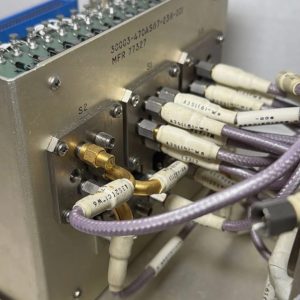
The Aviation Switching Module – NSN 4920-01-250-2696 (AS-IS / Untested) combines recognizable aviation hardware, an identifiable National Stock Number, potential electrical-control functionality, and commercial value for informed specialist buyers.
An Aircraft Switching Module may control, route, select, isolate, or distribute compatible electrical signals or circuits, while an Aerospace Switching Module should be evaluated according to its exact internal design and intended equipment relationship.
An Aircraft Electrical Switching Module, Aviation Electrical Control Module, Aircraft Power Switching Module, Aerospace Electrical Control Unit, and Aircraft Signal Switching Module may describe related switching or control functions, but the exact purpose of this NSN should be verified read more before use.
An Aircraft Switching Unit can support specialized signal or circuit management, but an Aerospace Power Distribution Module or Aviation Power Control Module may use different internal architecture and electrical requirements.
Key Details of the Untested Switching Module
The seller should provide clear photographs of every label, marking, connector, switch, control, mounting point, enclosure surface, and included accessory.
An identification plate should not be removed, repainted, altered, or covered because it may provide the strongest evidence of the component’s origin.
Buying an Untested Aviation Module
The condition description should be understood as a limitation rather than a suggestion that the unit is probably operational.
Bench testing should begin only after technical documentation, circuit protection, connector identification, and safe power requirements are established.
Aviation Switching Hardware Uses
The actual role depends on internal circuitry, switch configuration, connector pinout, associated system design, and technical documentation.
Missing knobs, guards, labels, connectors, covers, or fasteners may reduce completeness.
Maintaining a Switching Module Assembly
Age, handling, impact, humidity, temperature changes, contamination, and long-term storage can affect both mechanical and electrical condition.
Protective caps should remain installed during storage and shipping when available.
Aircraft Electrical Hardware Review
An Aircraft Electrical Switching Module should be inspected for overheated areas, burned insulation, damaged terminals, loose hardware, corrosion, moisture entry, broken controls, and signs of previous disassembly.
Loose wires, nonstandard components, replaced relays, cut conductors, or evidence of field repair should be recorded.
Aviation Electrical Control Module Functions
Professional research should occur before any attempt to connect the Aviation Electrical Control Module.
Careful preservation supports future study and accurate Aviation Electrical Control Module documentation.
Evaluating Aerospace Power Hardware
A switch that moves normally may still contain burned, corroded, welded, or high-resistance electrical contacts.
Accurate reporting protects buyers seeking an Aircraft Power Switching Module for repair, parts, or research.
Electrical Control Unit Restoration
Visual inspection, continuity checks, insulation review, component identification, and controlled testing may form part of a professional evaluation.
Undocumented modifications can make future troubleshooting and identification more difficult.
Choosing an Aircraft Signal Switching Module
The pinout and signal type should be confirmed before continuity or injection testing.
Shielding, grounding straps, connector shells, cable clamps, and enclosure bonding can influence signal performance where included in the original design.
Professional Aviation Module Evaluation
Buyers should determine whether they need a direct replacement, restoration item, training aid, or parts source.
Every marking should be recorded before purchase or installation planning.
Choosing an Aircraft Switching Unit
An Aircraft Switching Unit offered AS-IS may appeal to aviation workshops, military-equipment collectors, technical schools, restoration specialists, and organizations maintaining legacy support equipment.
The equipment should remain clearly labeled as untested and unsuitable for operational installation without evaluation.
Power Distribution Module Inspection
Power distribution equipment may use switches, relays, terminals, bus structures, circuit protection, and control interfaces depending on design.
Preserving the original structure protects the Aerospace Power Distribution Module and its resale value.
Aircraft Module Functional Evaluation
The unit should be photographed before and after any preservation work.
Limited testing should not be described as complete serviceability verification.
Inspecting a Power Control Module
An Aviation Power Control Module can have specialized applications within aircraft systems, aerospace ground equipment, maintenance platforms, or test installations.
Power-control components may retain electrical energy or contain circuits requiring special handling depending on internal design.
Aircraft Electronic Switching System Integration
A single module removed from the system may not be testable through ordinary standalone methods.
Professional analysis supports responsible Aircraft Electronic Switching System maintenance.
Aerospace Switching Unit Storage and Handling
Proper storage helps preserve the Aerospace Switching Unit for testing, restoration, or collection.
The module should be enclosed in a moisture-resistant protective layer and placed inside a strong outer carton or suitable shipping case.
Commercial Inspection of an Electrical Module
Commercial evaluation should focus on total project suitability rather than the purchase price alone.
Transparent disclosure strengthens trust in an Aircraft Electrical Module transaction.
Aerospace Module Pre-Purchase Inspection
The seller should disclose corrosion, missing parts, broken controls, damaged connectors, previous repairs, opened seals, burned areas, contamination, and signs of impact.
- Determine whether cables, plugs, manuals, test leads, mounting hardware, storage cases, or companion components are included.
- Inspect the enclosure for dents, cracks, corrosion, missing screws, altered holes, broken seals, damaged brackets, and signs of previous opening.
- Confirm the written invoice, AS-IS terms, payment protection, packaging method, shipping insurance, inspection period, and return conditions.
Aerospace Module Troubleshooting Process
Testing should begin with identification research, visual inspection, connector mapping, safety review, and examination of available technical documentation.
Powered testing should proceed gradually while monitoring current, temperature, smell, noise, indicators, and unexpected behavior.
Aerospace Module Component Replacement
Restoration should begin with condition documentation, careful cleaning, technical research, component identification, fault isolation, and repair planning.
A repaired module may still require system-level testing or additional qualification before installation.
Aviation Switching Module Conclusion
For the right purchaser, the unit can offer a useful foundation for technical research, controlled troubleshooting, component recovery, or legacy-equipment restoration.
An experienced aviation-electronics technician should assess the module before it is powered, installed, or connected to other equipment.
Whether the item is purchased for restoration, training, parts recovery, display, testing, inventory, or professional repair, transparent information and controlled handling provide the strongest foundation.
With verified identity, careful inspection, protected storage, safe bench procedures, organized documentation, and qualified technical review, the module can provide lasting specialist value.
Report this page